Circalgae at EMD 2026
CIRCALGAE and Sister Projects Pave the Way for Europe’s Algae Bioeconomy at European Maritime Day 2026
How can Europe unlock the full potential of algae to build a more sustainable and competitive blue economy? This question was at the heart of the impactful workshop “WS1: Algae Solutions for a Thriving Blue Economy” during the European Maritime Day. Co-organized by CIRCALGAE alongside our sister Horizon Europe projects, REALM and SeaMark, the interactive session brought together over 35 key stakeholders including scientists, policymakers, industry experts, and NGOs to shape future strategic actions for the European algae industry.
Moderated by Adrien Vincent (founder of EU4Algae) and introduced by Evdokia Achilleos (Head of Sector EC, REA.B.3 – Biodiversity, Circular Economy and Environment European Research Executive Agency), the session gathered policymakers, researchers, industry representatives and NGOs to discuss the latest project achievements, remaining barriers, and future actions needed to unlock the full potential of algae-based innovations.
Representing CIRCALGAE, Amparo Jiménez Quero presented the project’s progress in developing circular algae biorefineries capable of transforming algae biomass and side streams into high-value products for the food, feed and cosmetics sectors. The project has successfully demonstrated three integrated biorefinery schemes and advanced twelve demonstrators to TRL 7 (Technology Readiness Level), proving that algae can play a central role in a circular bioeconomy.
Representing SeaMark, Olavur Gregersen highlighted protocols for ocean and land-based macroalgae cultivation and the market potential of seaweed-derived biostimulants.
Mariana Carneiro, representingREALM, showcased its innovative approach to microalgae production using nutrient-rich agricultural drainage water, creating value from waste while strengthening links between agriculture and the algae sector.
A common message resonated throughout the workshop : the technology is no longer the main challenge, but the framework conditions must evolve. Participants emphasized that regulatory complexity, lengthy product approval processes, novel food requirements, and restrictions on the use of side streams continue to slow market development and investment because these valuable resources are labelled as “waste”.
The discussion also focused on the broader environmental value of algae. Beyond biomass production, algae can contribute to nutrient recovery, carbon mitigation, reduced fertilizer dependency and wastewater treatment. However, stakeholders agreed that harmonized methodologies and policy frameworks are needed to properly quantify and reward these ecosystem services.
One of the highlights of the workshop was the active participation of the audience. Through interactive discussions, attendees helped identify practical actions that could accelerate the growth of the European algae industry. Simplifying market access, supporting scalable products and creating fairer competition conditions for European producers emerged among the top priorities.
Key Action Points Identified by Participants (Slido Voting):
• Accelerate Market Access: establish fast-track product registration and modernize the Novel Food application process to enable immediate sales.
• Level the Playing Field: introduce policy innovations to reduce unfair competition between EU and non-EU companies.
• Monetize Ecosystem Services: integrate algae cultivation into sustainable finance frameworks and allow the generation of environmental credits for CO2, nitrogen, and phosphorus.
The workshop demonstrated the strength of collaboration between sister projects. By combining expertise across cultivation, processing, product development and sustainability assessment, CIRCALGAE, REALM and SeaMark are helping build the knowledge base required for a resilient and thriving European algae industry.
The conclusion was clear: Europe now possesses the knowledge, technologies and industrial actors needed to scale algae solutions. To unlock this potential and support the European Ocean Pact, the European Commission must now drive policy innovation, update regulations, and adapt frameworks originally built for traditional biomass to support the unique nature of marine resources.
A Shared Exhibition Space for Greater Impact
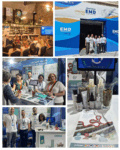
Beyond the workshop itself, the collaboration between the three sister projects was also visible throughout the event. CIRCALGAE, REALM and SeaMark shared a joint exhibition
stand, creating a welcoming space where visitors could discover the projects and engage directly with consortium members.
The stand featured a shared poster, algae-based product samples, communication materials, project goodies and even algae-inspired snacks that sparked many conversations. Throughout the event, a constant flow of visitors stopped by to learn more about algae innovations, exchange ideas and explore future collaboration opportunities.
The enthusiasm and interest shown by attendees reflected the growing momentum behind algae-based solutions in Europe. More importantly, it highlighted the value of collaboration between projects working towards a common goal.
As European Maritime Day 2026 came to a close, one thing was clear: the algae sector is no longer an emerging niche. It is becoming a strategic component of Europe’s blue bioeconomy. The challenge now is to ensure that regulation, investment and market conditions keep pace with the innovation that is already happening on the ground.